

"It Still Screams": Reporting from the Coal Seams of Appalachia
Ben Gish, editor of Kentucky's Mountain Eagle, shares what it takes to keep a defiant family newspaper legacy alive
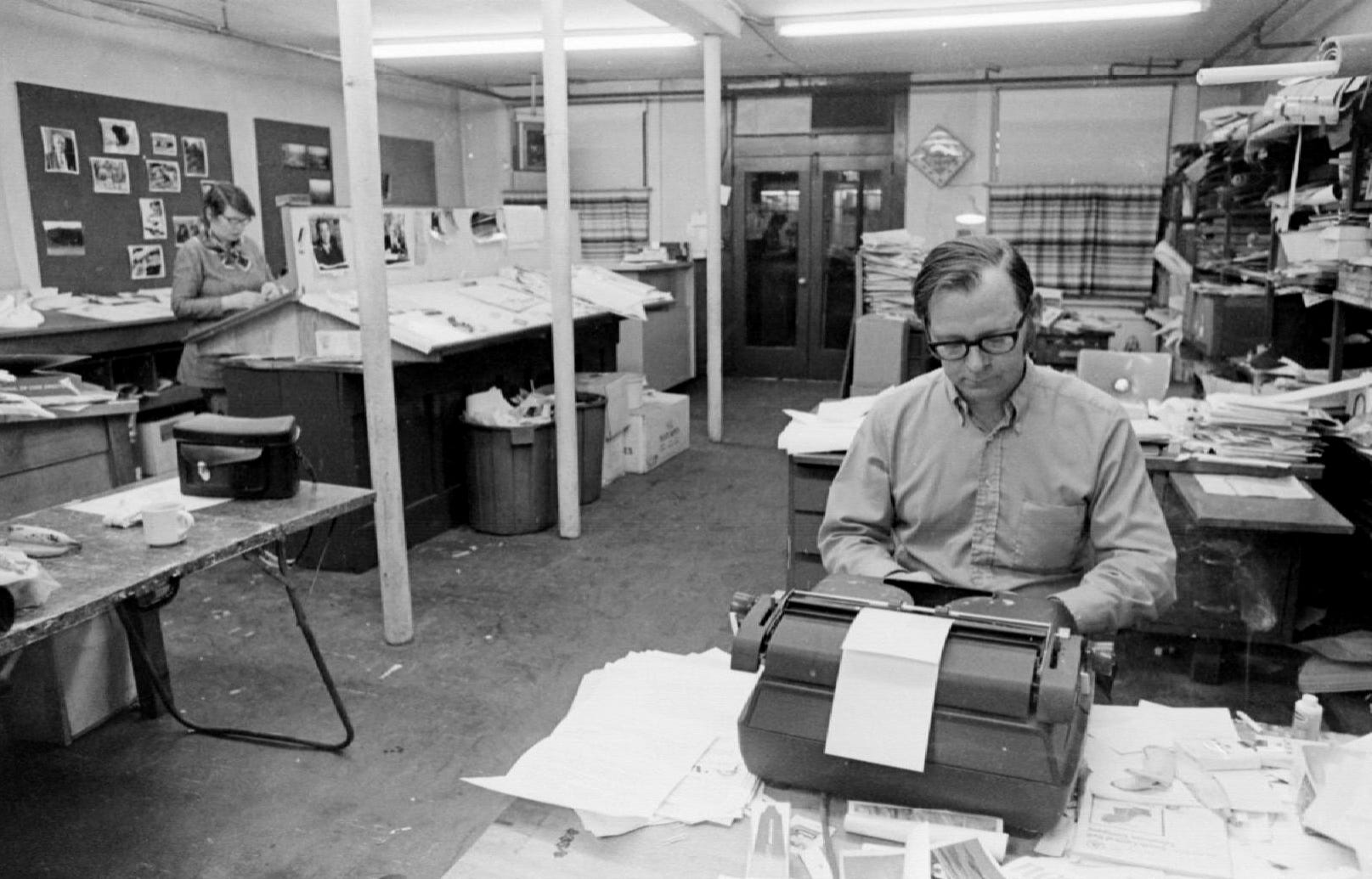
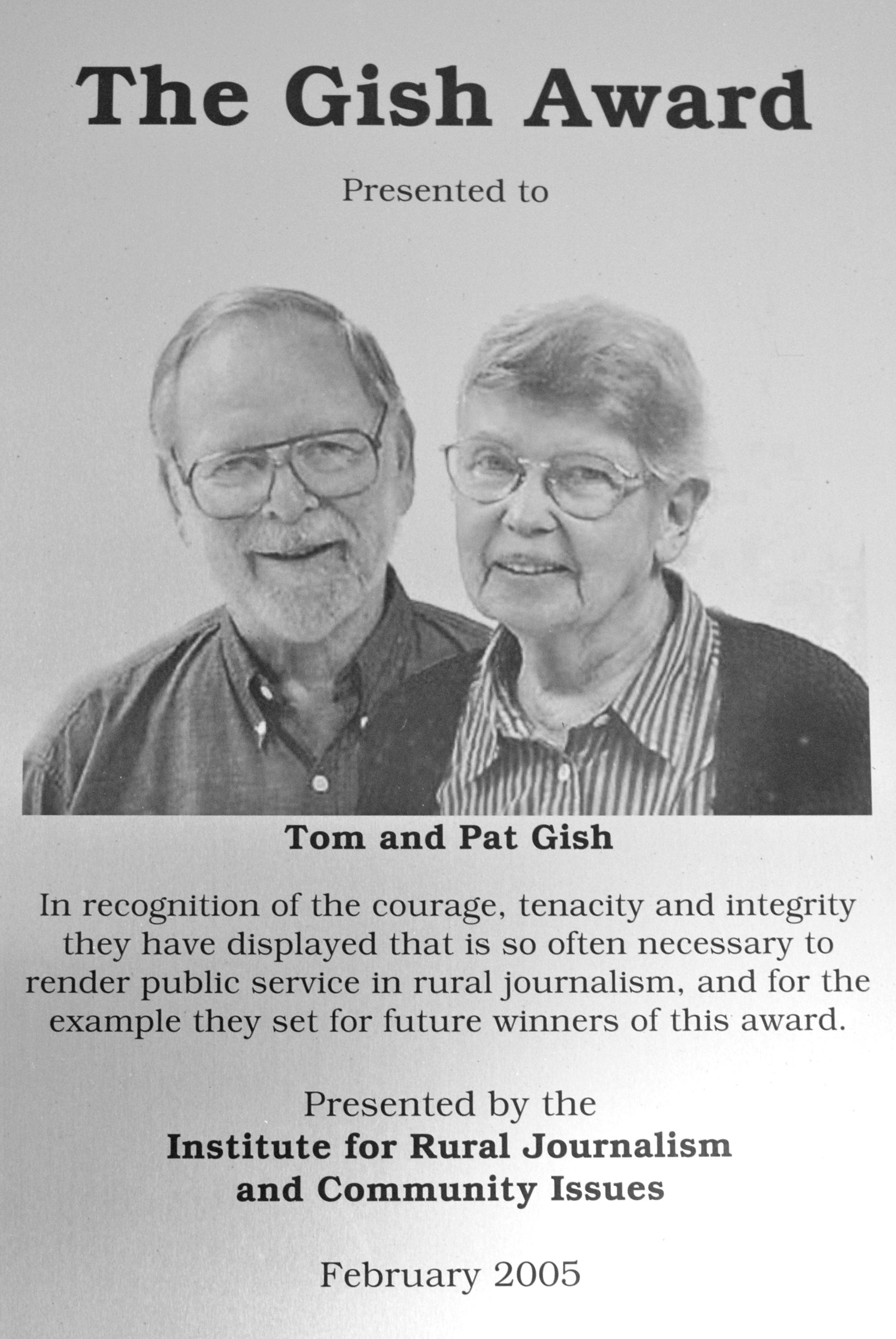
I first met Tom and Pat Gish back in 2004, about thirty years after the fire that should have ended their newspaper story. I had traveled to Whitesburg, Kentucky, to interview them for a piece that, for reasons only the fickle world of freelance journalism understands, never actually ran. But the Gishes and their beloved Mountain Eagle never left my mind. Years later, I finally got to tell their story in full for Stranger’s Guide.
After a corrupt local cop masterminded an arson attack on their offices in 1974, the Gishes refused to be subdued. Before the fire, underneath the newspaper masthead, it had read: IT SCREAMS! Determined not to miss an issue, Tom and Pat decamped to their living room and put out a paper. And underneath the masthead of that next edition of the Mountain Eagle, it read: IT STILL SCREAMS!
Today, the mantle has passed to their son, Ben — once falsely accused in the very arson that targeted his parents, and who now navigates a version of Appalachia that is struggling with the decline of coal and the rise of digital isolation.
Today, the “barely controlled chaos” and clatter of typewriters he recalls from a youth spent sleeping on cardboard pallets in the mailroom may have been replaced by the quiet hum of desktop publishing, but the stakes in Letcher County haven’t changed.
Like his parents, Ben understands that in a small town, every tough story is written about a neighbor you’ll inevitably run into at the grocery store.
We chatted about the evolution of the Eagle, the weight of being the only check on authority left in the area, and how he intends to carry his parents’ legacy into the future.
From my story for Stranger’s Guide:
Tom died in 2008, just a few years after we met. In the obituary he penned, [former Eagle reporter] Phil Primack wrote: “Newspapers do face serious financial and other challenges today, but Tom Gish faced them every week for half a century and prevailed and published until the end. His Eagle, now edited by his son Ben … a hopeful sign in dark times that newspapers still matter and can — must — survive.” Pat died eight years later. [Another former Eagle reporter] Jim Branscome wrote of Pat that her life was a profile in courage, endurance, and dogged hard work “all driven by a deeply principled commitment to the idea that there is nowhere a free people unless there is a free press.”
. . .
Alex: You’re still operating out of a physical storefront on Main Street. How important is that open door to the paper’s identity in 2026?
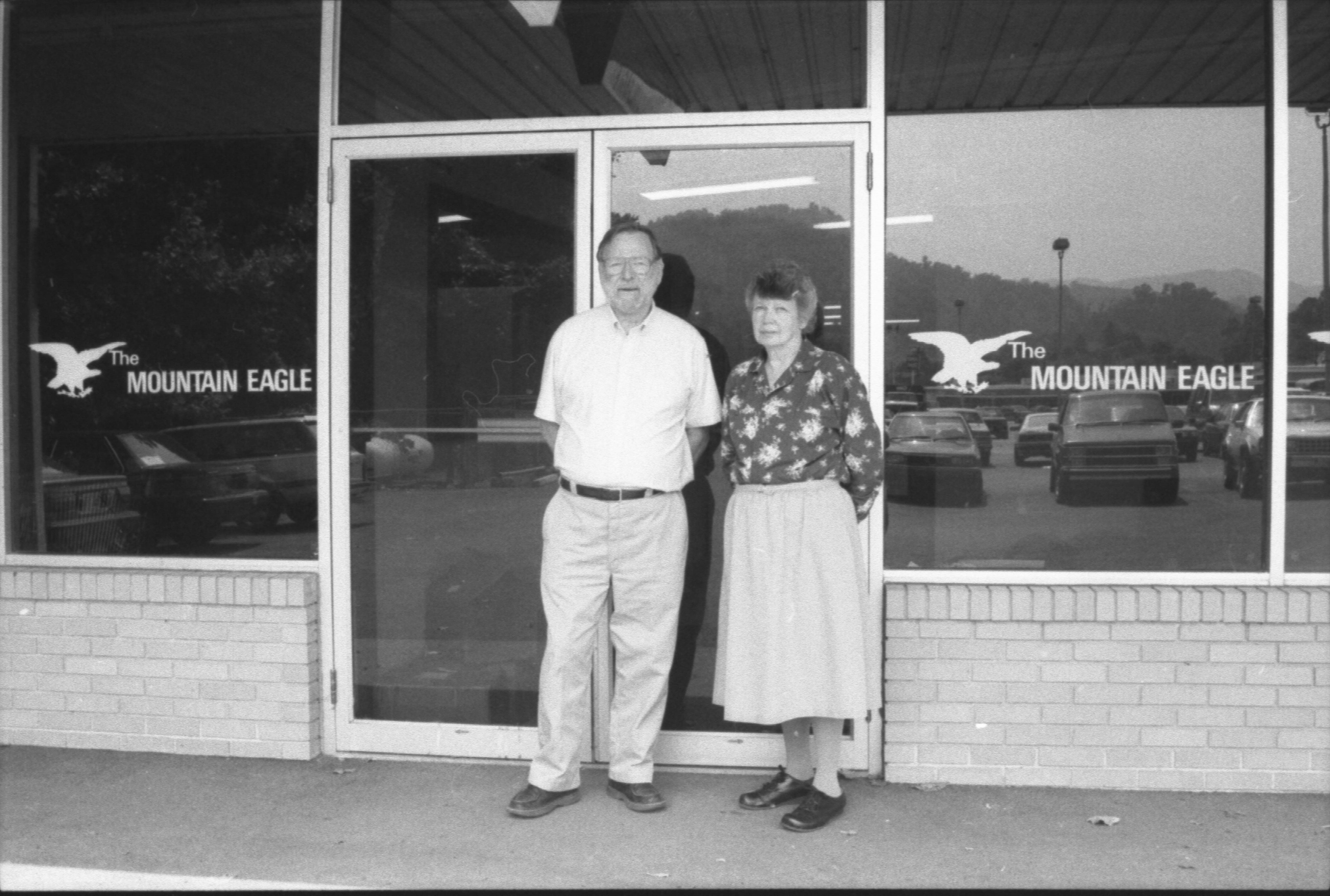
Ben: Less than ever, I am sorry to say — and that’s because of e-mail, texting, and other forms of communication. When I was growing up, one of the most important times to be in The Eagle office for business purposes was on Saturday mornings between 9 a.m. and noon. During my high school years, it was my job to get up, walk down School Hill, and open the office. I can say with confidence that I dealt with more office visitors on that one morning each week than we see now in a full week.
During my office-keeping years (1970–1974), Saturday mornings were when most business was conducted in Whitesburg, the county seat of Letcher — just as it had been since the railroad came and the coal mines first opened nearly 60 years earlier. Every Saturday morning, Main Street was packed with men, women, and children. The women would handle the shopping with their children in tow, while the men found places to stand and talk as they waited.
The two-lane road running through both sides of town would be jammed with cars trying to reach Main Street and find a place to park.
Looking back, I stayed quite busy those mornings, mostly accepting subscription payments — usually renewals, with quite a few new ones mixed in.
I loved meeting and talking with customers, especially the elderly. It was from them that I learned a great deal about Letcher County and life in Appalachia in general. Some of the older women would even bring cakes and pies they had baked for the Eagle staff.
These days, most new and renewal subscriptions come through our website. Many still arrive by mail or by telephone.
The same enjoyment I once got from speaking with elderly customers in person, I now get from talking with subscribers on the phone.
We do still get in-person subscriptions, and it’s always nice when that happens. We rarely receive news tips from walk-ins, but when we do, they’re usually good ones. Most visitors now come on Wednesday mornings when the newest edition is off the press and on the newsstands.
You grew up in the mailroom, even sleeping on cardboard pallets. How has ‘press day’ changed from then to today? What does the energy feel like in the office?
Great question. Because of all the changes in technology, most of the energy today comes on Tuesdays just before and after deadline. Those are the moments of frayed nerves and, at times, frustration — sometimes even anger at yourself when you realize you didn’t have enough space or time to do all you wanted.
Regardless, it’s still a great feeling when you hit “send” on that final FTP file of pages to the press in Charleston, West Virginia, where we are now printed.
Finishing the paper each week still feels like completing an important final exam in college and knowing you at least did well enough to pass.
Otherwise, the overall energy level has dropped tremendously, and technology is largely the reason.
We rarely receive news tips from walk-ins, but when we do, they’re usually good ones.
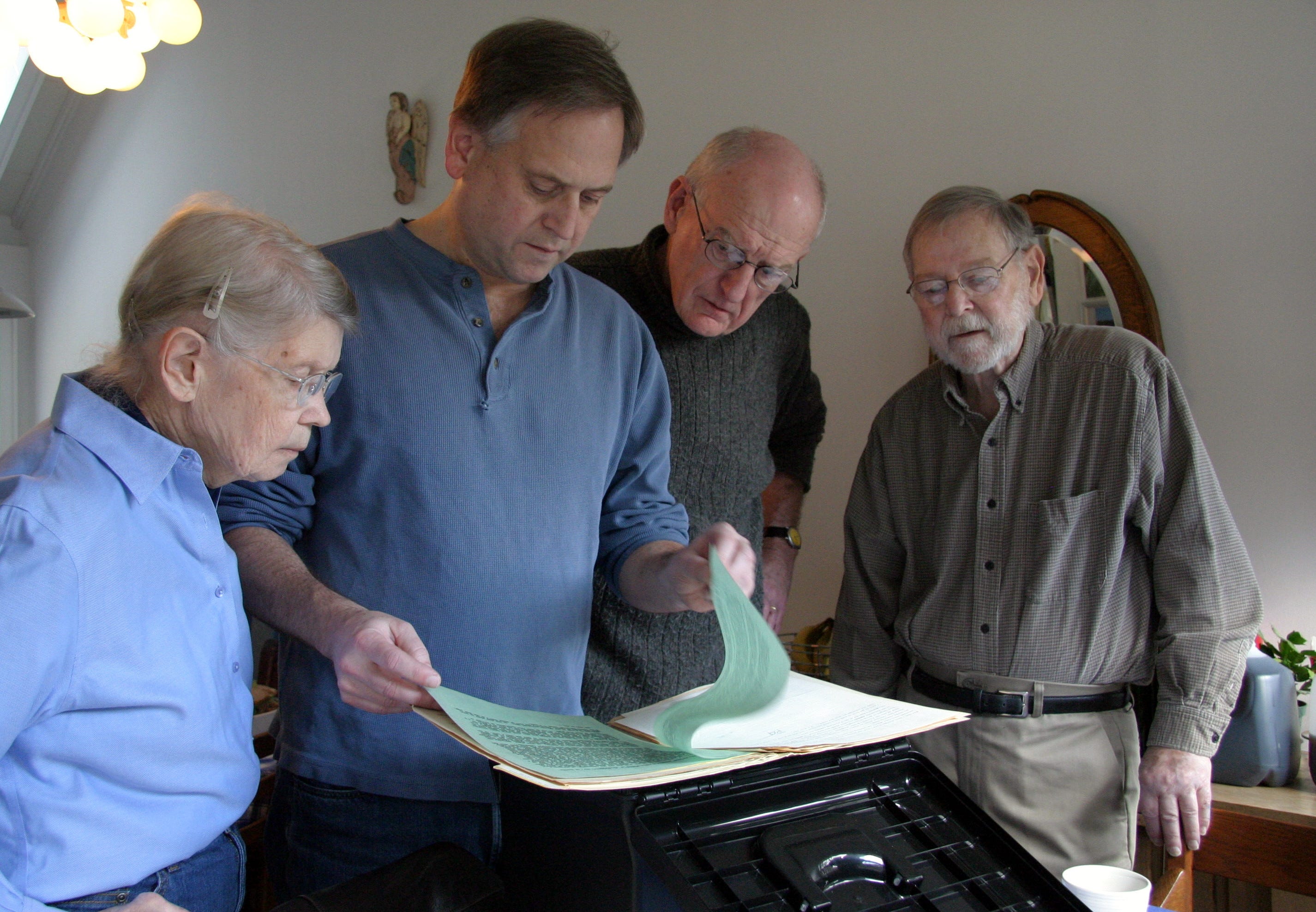
We began using desktop publishing in 1990 when we invested in four Macintosh Classic computers. However, we didn’t go fully electronic until around 2006, which is when deadline day energy really changed. Before that, we built pages by hand using layout sheets, waxers, and scissors. All the pages would be laid out on tables, with at least six of us — including my late parents — working side by side.
Once those pages were finished, someone had to drive them to the press in London or Manchester, Kentucky, or Norton, Virginia. While the paper was being printed and labeled for mailing, we would go home to sleep before helping distribute them across the county.
Today, we send pages electronically, and they are printed, mailed, and delivered by a crew in Charleston.
The Mountain Eagle has seen many advances since its founding in August 1909. Its first press was hand-operated and used no electricity. When my parents took ownership in 1957, the paper used a letterpress and other “hot metal” equipment. I can still remember sitting in my mother’s lap as she typed copy on the Linotype machine.
Around 1962, we switched from hot metal to cold type. My grandfather and father installed our first offset press, which printed tabloid-size pages two at a time. After one side was printed, the pages were stacked and run through again for the other side.
Once printed, my two sisters and I helped fold them and insert them into that week’s edition.
My dad suffered a massive heart attack in his mid-forties, likely from the stress of writing editorials, running the press, shooting negatives, burning plates, and operating the press — all at once. How he managed it, I will never know.
He once told me he wouldn’t even begin thinking about his editorial until the first pages were coming off the press. At some point, he would stop everything, write the editorial on one of the IBM typewriters, and then get things moving again.
That era ended in 1974, when the paper was burned by an arsonist police officer and we purchased our first Compugraphic typesetting equipment.
The legendary “It Still Screams!” tagline was a middle finger to arsonists in the ‘70s. What is the Eagle screaming about most loudly today? What are the big ticket issues for Whitesburg and Eastern Kentucky?
The Eagle’s voice in recent years has focused heavily on life in Appalachia since the coal industry began its decline around 2012 — largely because the world-class coal seams that were opened in 1912 have now been mostly exhausted.
Another major issue is population loss, which began with coal’s decline and then accelerated after the devastating flood of July 2022. That disaster brought destruction and loss of life on a scale never seen here before. Small streams that were dry much of the year rose to second-floor levels in many homes.
My dad suffered a massive heart attack in his mid-forties, likely from the stress of writing editorials, running the press, shooting negatives, burning plates, and operating the press — all at once.
One of the biggest current concerns is the cost of electricity. Letcher County and much of Central Appalachia now pay some of the highest rates in the country. It’s a harsh irony — the region that helped fuel the Industrial Revolution and kept energy costs low for much of the nation is now paying some of the highest bills.
Your parents reported a lot on mining in the Appalachians and the repercussions from that. Now that the industry has largely receded, who is the ‘Goliath’ that the Eagle has to keep its eye on today?
One Goliath we continue to watch is unreclaimed strip mining, along with abandoned mining camps filled with deteriorating homes now owned by scattered heirs across the country.
Another is AEP’s Kentucky Power, whose rates can consume as much as three-fourths of an elderly person’s monthly Social Security check. Small businesses struggle to survive under those costs.
We are also deeply concerned about the potential loss of our hospital and the impact of federal policy changes, including Medicaid cuts.
In addition, we closely follow proposed state legislation and what it may mean for the mountains — both good and bad.
In a small town, you may have to write a hard story about a family friend, a classmate, a neighbor. How do you handle that?
I have never — and will never — be able to “handle” that. There is nothing worse than printing something unflattering about someone and then running into them or their family at the post office or grocery store.
I sometimes think about how reporters at larger outlets would handle writing hard stories about people they know personally. I suspect it would be harder than writing about distant public figures.
If anyone says they have no trouble doing it, they are either not being honest or have never had to do it.
The Eagle still survives on cover price, subscriptions, and advertising. Has the Eagle ever considered moving to a 501(c)(3) model, accepting donations and grants, or do you think there is still value in being an independent for-profit business?
I have considered that, but I don’t really know how to go about it. There’s very little guidance available for small independent publications like ours.
Most nonprofit models I see are statewide, foundation-funded operations staffed by former daily newspaper reporters. They often do excellent work — but they aren’t local.
Sadly, I don’t think much value remains in being an independent for-profit business, and that keeps me up at night. I often ask myself how long I want to carry that burden. But then I think about how I would feel if The Mountain Eagle ended up in the wrong hands.
There is nothing worse than printing something unflattering about someone and then running into them or their family at the post office or grocery store.
The Eagle has readers scattered across the US. How has the internet changed who your reader actually is?
Whenever I start worrying about losing readers, I remind myself we have a strong online subscriber base.
In many ways, our audience hasn’t changed. It’s still largely former residents who want to stay connected to where they came from, now scattered across the country. We also have a solid number of local readers who now choose the online edition over print.
How do you reach younger residents? Are they subscribers? How do they encounter the Eagle?
Reaching younger residents has always been difficult. Fortunately, we still have a strong circulation, and many readers continue the habit of reading the paper they grew up with.
I try to include content that might appeal to younger readers — for example, a recent front-page feature on a new disc golf course at the base of Pine Mountain. That said, I know I could do better. I need to do a better job of listing local and regional concerts and that sort of thing.
Do you have a pool of young reporters coming up through colleges to count on for staff now and in the future?
No — and that is very concerning. At this point, the main benefit for a young reporter working at a small weekly is gaining experience to move on to a larger publication.
That said, we’ve had many former Eagle reporters go on to strong careers at larger papers, which I’m very proud of. We are considering working with colleges again to bring in interns.
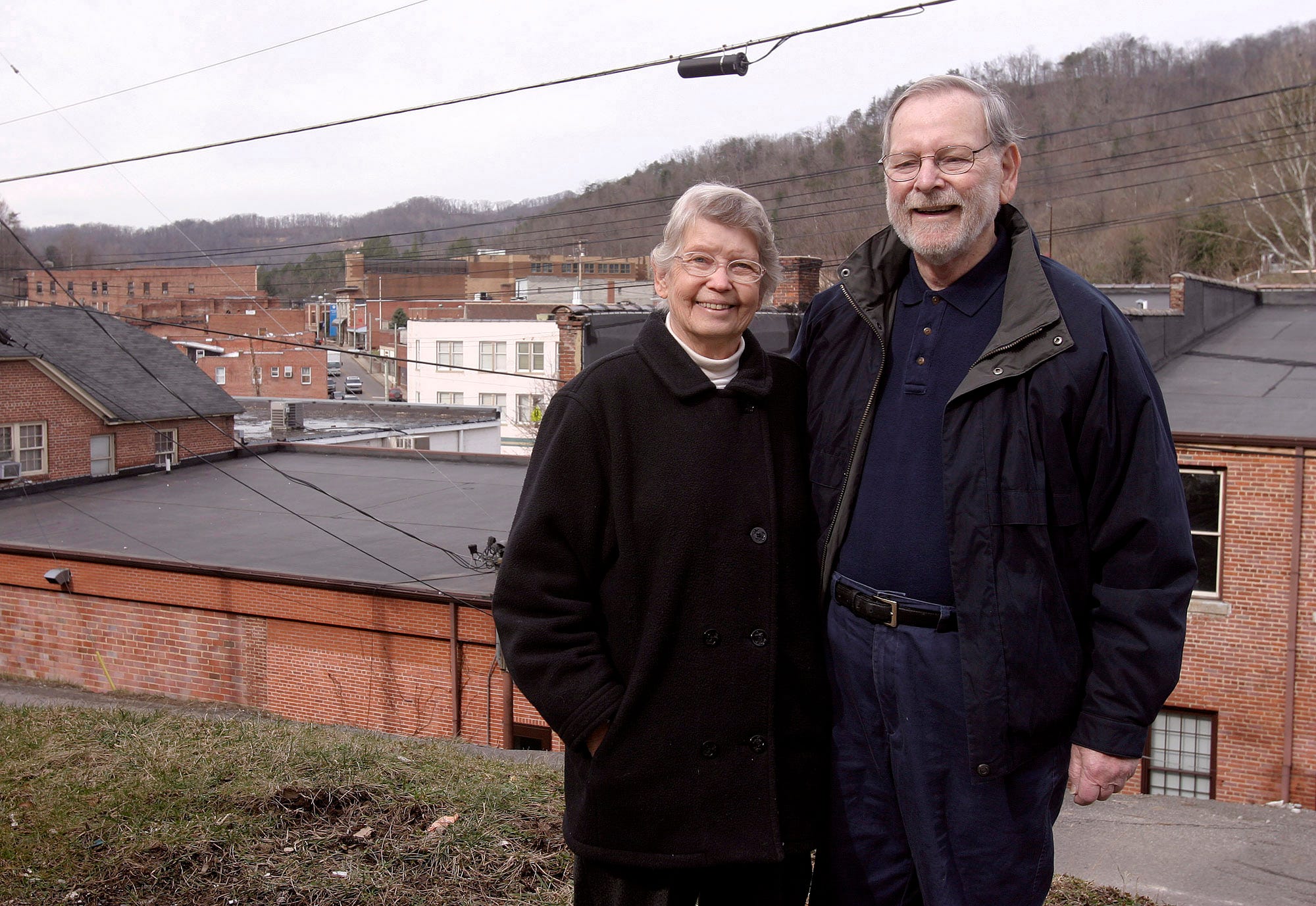
Your dad used to say you never win permanent friends in this business. How many uncomfortable encounters do you have at the local grocery store after a particularly sharp editorial? How do you handle being the editor of a paper in a town where everyone knows where you live?
Aside from what I mentioned earlier, I’ve been fortunate. Part of that comes from growing up with a close group of friends whose families weren’t in politics or coal. Those friendships remain strong today.
I’ve had to report on cases involving extended family members of friends, but I’ve never received criticism from them.
Another factor is watching how my parents handled similar situations. They didn’t let it consume them, and I’ve tried to do the same.
Going through being falsely accused in the arson case also helped me develop a thicker skin.
I also live outside Whitesburg, in a hollow where I’m not in the public eye. At this stage, I’m often surprised when people recognize me. I rarely use my name or photo in the paper.
Going through being falsely accused in the arson case also helped me develop a thicker skin.
We hear a lot about how AI is going to take the jobs of journalists. Is the work of a local newspaper journalist and editor in rural Kentucky still too human for a machine to attempt?
AI can be a useful research tool, but I don’t see it replacing the human side of local journalism — especially in a place like this, where understanding people and community context is essential.
If Pat and Tom could read the paper next week, what is the one thing about the modern Mountain Eagle that you think would surprise them the most?
I think they would be pleased that we finally have a printer capable of producing high-quality color on newsprint. They would likely be disappointed by the reduced number of pages — but I believe they would still be proud of what they created.
In many rural counties, the local paper is the only institution doing any accountability journalism at all. Does the editor feel the weight of that? And what do you think happens to a community when its local paper shuts down — as so many have.
I absolutely feel the weight of that responsibility and wish we could do even more.
When a legitimate local paper shuts down, a community begins to decline faster than it otherwise might. I’ve seen it happen.
I’m currently working on a proposal to local businesses, encouraging them to support us through institutional advertising so we can continue doing this work.